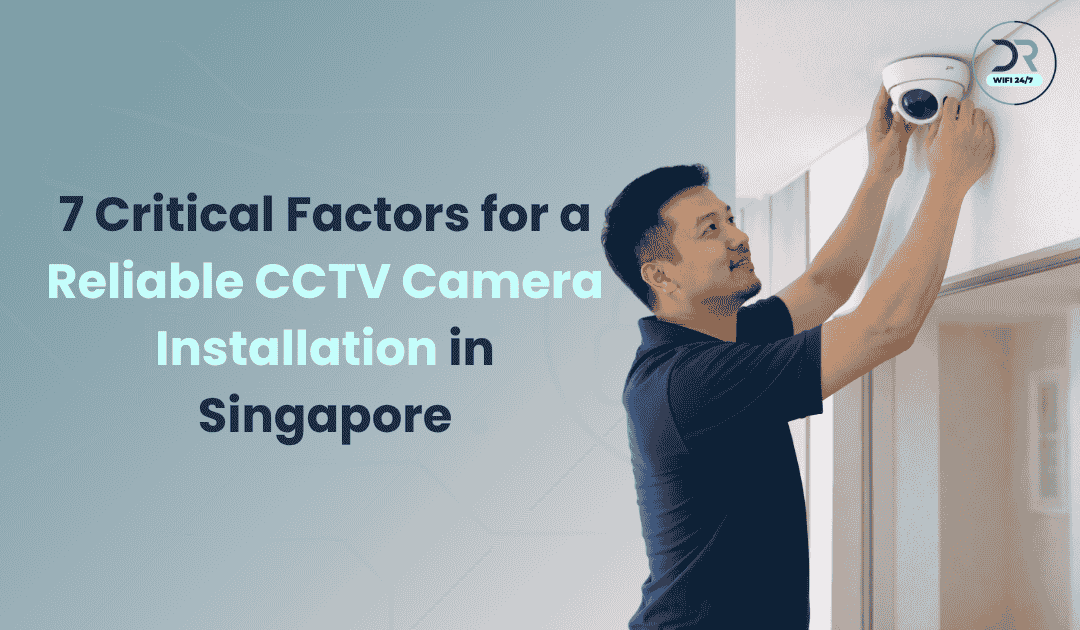
CCTV camera installation is the most effective way to safeguard your property and loved ones in a modern urban environment. As technology advances in 2026, many homeowners prioritize integrated security systems to monitor their premises in real-time. A well-planned setup provides more than just video footage; it offers continuous peace of mind for busy families. However, achieving a reliable system requires a deep understanding of both hardware and network infrastructure. You must consider several technical elements to ensure your security investment remains functional for years to come.
What is a Common Problem for CCTV?
Many homeowners face frustrating issues shortly after setting up their security devices. One frequent complaint is a persistent lag or freezing in the live video feed. This problem usually stems from an overloaded home network that cannot handle high-definition data. Without a stable connection, even the most expensive camera becomes unreliable during an emergency.
Another common issue involves poor image quality during nighttime or low-light conditions. Some cameras capture grainy or blurry footage that makes identification impossible. Furthermore, messy cabling often leads to physical damage or signal interference over time. These technical hurdles highlight why a professional approach is necessary for every CCTV camera for home project. Identifying these gaps early allows you to build a much stronger defense for your property.
5 Critical Factors for a Reliable CCTV Camera Installation in Singapore
Success in home security depends on a combination of strategic planning and quality components. Here are the five most essential factors you need to verify.
1. Optimal Camera Placement and Angles
High-quality surveillance starts with choosing the right locations to cover every entry point. You must identify potential blind spots where intruders might hide from the lens. Professional installers often recommend placing cameras at a height that prevents tampering. At the same time, the angle must be low enough to capture clear facial features. Strategic placement ensures maximum coverage with the minimum number of devices.
2. High-Definition Hardware and Storage
Resolution is a critical factor when you need to provide evidence to local authorities. You should look for cameras that offer at least 4K resolution for crisp and clear imagery. Additionally, consider how your system stores the recorded data. Local storage on a Network Video Recorder (NVR) is often more reliable than relying solely on the cloud. A robust storage strategy prevents data loss during an unexpected internet outage.
3. Reliable Power Supply and Surge Protection
A security system is useless if it shuts down during a power flicker or a thunderstorm. Ensuring a consistent power source is a vital part of any CCTV camera installation strategy. Many professionals use Power over Ethernet (PoE) to deliver both data and electricity through a single cable. This method reduces clutter and improves the overall stability of the system. Surge protectors are also necessary to shield your expensive equipment from Singapore’s frequent lightning strikes.
4. Night Vision and Motion Detection Accuracy
Most security incidents happen under the cover of darkness. Therefore, your cameras must have advanced infrared or full-color night vision capabilities. Furthermore, smart motion detection helps filter out false alarms caused by pets or swaying trees. This ensures that you only receive notifications when there is a genuine threat to your home. Accuracy in detection saves you time and reduces unnecessary anxiety from constant mobile alerts.
5. Professional System Integration
Modern security works best when all your devices communicate through a central interface. This integration allows you to check your cameras, smart locks, and alarms from one single application. A professional installer ensures that your CCTV camera installation does not conflict with your existing smart home gadgets. Proper integration creates a user-friendly experience that every family member can operate with ease.

Local Compliance and Privacy Regulations
Homeowners in Singapore must adhere to strict guidelines to maintain a respectful and legal living environment. According to the written answer provided by the Ministry of National Development (MND), certain rules apply to residential surveillance. While you have the right to secure your home, your cameras should not infringe on the privacy of your neighbors. This is especially important for HDB residents who wish to install devices facing common corridors.
The MND emphasizes that cameras at the main door should primarily focus on the immediate entrance area. You must avoid capturing the interior of a neighbor’s unit when their door is open. In many cases, you might need to seek permission from the Town Council before starting your CCTV camera installation project. Following these regulations prevents legal disputes and fosters a better relationship with your community. A professional service provider will always guide you through these compliance steps to ensure a worry-free setup.
The Essential Role of High-Speed Connectivity
Your security system relies heavily on the strength of your internal data network. High-definition video streams require significant bandwidth to upload footage to the cloud or your mobile device. If your WiFi is weak, your cameras will experience frequent disconnections or low-resolution playback. This is why a high-performance home WiFi system is the backbone of modern surveillance.
Using quality cables like Cat6 is often better than relying on wireless signals for fixed cameras. Wired connections offer superior stability and are much harder for hackers to intercept. However, if you prefer a wireless setup, you must ensure your Mesh nodes are strategically placed. Proper network configuration prevents your security data from slowing down your other household activities.
Can CCTV Work Without Internet?
Many people wonder if they can maintain security if their service provider experiences an outage. The answer is yes, provided you have a local recording system like an NVR or DVR. In a local setup, the cameras send data directly to a hard drive inside your home. This ensures that your property is still being recorded even without an active internet connection.
However, you will lose the ability to view live feeds or receive mobile alerts while the internet is down. Remote access and cloud backups require a stable connection to function correctly. A hybrid approach is often the best solution for most homeowners in Singapore. This combination provides local reliability while keeping the convenience of remote monitoring via your smartphone.
Professional Security Integration
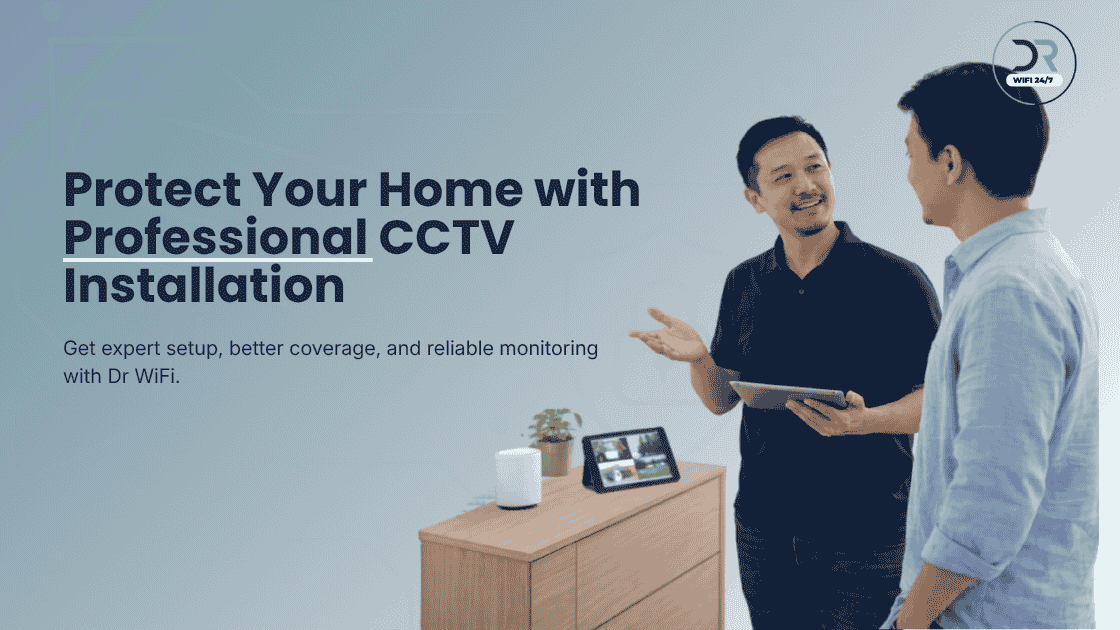
A successful security strategy requires a balance between high-quality hardware and a perfect network setup. While DIY kits are popular, they often lack the technical depth needed for a large property. Choosing an expert team ensures that your CCTV camera installation is both legally compliant and technically sound.
Dr WiFi specializes in creating seamless digital environments for modern homes. We provide high-end CCTV camera for home units and professional installation services. Our team focuses on optimizing your WiFi so that your cameras and internet always run at peak performance. We handle everything from signal audits to hardware setup to ensure your family stays protected. Let us help you build a secure, high-speed sanctuary that you can monitor from anywhere in the world.